Textile guide · Table linens
A Practical Guide to Linen Table Textiles: Draping, Dining, and Care
A linen cloth does more than cover a table. Its grain catches the light, its folds soften a room, and its surface records the small evidence of a meal. Understanding how linen hangs, wears, and responds to care makes it easier to choose table textiles that suit both the occasion and the everyday.
The quiet work of a tablecloth
A dining table is a working surface, but it is also a gathering place. It holds plates and glasses, homework and flowers, a quick breakfast before the day begins and a long supper that stretches into evening. Table textiles help shape how that space feels. They can make a formal setting seem less imposing, lend a simple meal a sense of occasion, or protect a tabletop from the ordinary wear of daily use.
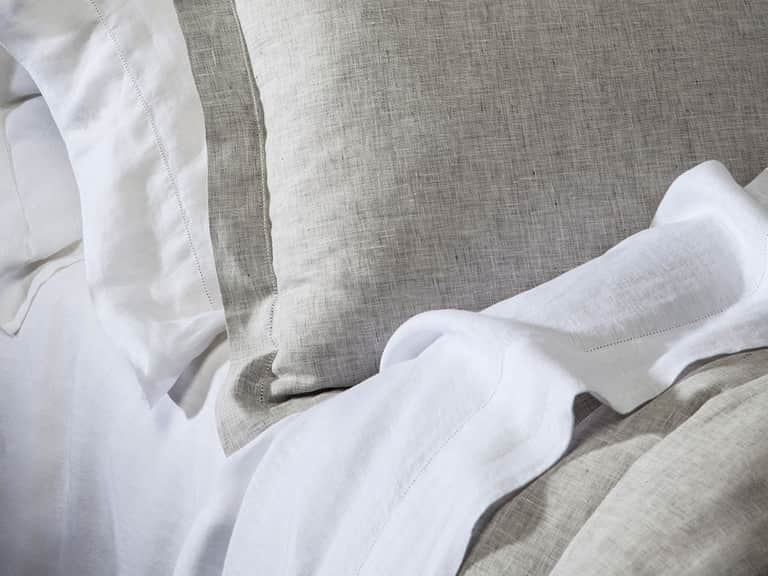
Linen has a particular way of occupying that space. Made from the fibers of the flax plant, it is valued for its characteristic texture, natural variations, and fluid drape. A linen tablecloth does not usually lie with the glassy smoothness of a tightly pressed synthetic fabric. It has a more open, tactile presence: a soft crease here, a faint irregularity in the weave there. These details are not necessarily flaws. They are part of the fabric’s visual language.
That relaxed surface can feel equally at home in a casual kitchen and a carefully set dining room. The difference often comes from the cloth’s weight, color, finish, and proportions, as well as from how it is laundered and arranged. Choosing well begins with practical questions: How large is the table? How often will the textile be used? Is easy washing more important than a sharply pressed appearance? The answers help determine which linen is likely to earn a place in regular rotation.
What gives linen its distinctive drape?
Flax fibers are naturally strong and have a subtle irregularity that gives linen much of its familiar character. Once spun into yarn and woven into cloth, they create a surface that may feel crisp when new and become more supple with washing and use. The exact result depends on the fiber, yarn, weave, fabric weight, finishing, and construction. “Linen” identifies a fiber, not one single texture or performance level.
On a table, drape is the way fabric falls over the edges. A lighter cloth may move readily, forming narrow, delicate folds. A heavier textile tends to settle into broader lines and can feel more substantial against the table. Neither is automatically better. A light cloth may suit a small table or a breezy, informal setting, while a weightier one can provide a grounded look and stay more stable during use. The right choice depends on the table’s scale and the atmosphere you want to create.
Weave also matters. A close, even weave can give a cloth a smoother, more tailored appearance. A more visibly textured construction may emphasize the natural character of the yarn. Finishing processes, including washing or softening, can affect how the fabric feels from the outset. When possible, handle a sample or examine the textile in natural light. A product description can provide useful specifications, but the way a fabric bends, feels, and reflects light is often easiest to judge in person.
Linen is often described as breathable and absorbent, qualities that contribute to its usefulness across different home textiles. For a table, the practical question is how a specific cloth behaves during meals and laundering. A fabric that feels beautiful but is difficult to wash may not suit a busy household; a relaxed, washable option may be welcome if it will be used often. Check the care label and construction details before making assumptions based on fiber alone.
Start with the table, not the trend
Before choosing color or texture, measure the tabletop. Note its length and width, or its diameter if it is round. Then decide how far you want the cloth to extend beyond the edges. This overhang, sometimes called the drop, changes both the appearance and the usefulness of the setting. A short drop can keep a cloth clear of diners’ laps and make it practical for everyday meals. A longer drop creates a more generous, formal effect, but may be awkward where people sit close to the table or where children and pets are present.
For a rectangular or square table, add twice the desired drop to both the length and width of the tabletop. For example, a table measuring 36 by 60 inches with a desired 8-inch drop would call for a cloth approximately 52 by 76 inches. This is a starting calculation rather than a guarantee: finished dimensions, shrinkage, table shape, and personal preference can affect the final fit. For a round table, add twice the desired drop to the diameter.
Take measurements with the table in its usual arrangement. If leaves are added for guests, measure the expanded table too and decide whether one cloth needs to accommodate both sizes. A textile that is generously sized for a small table may become short when the table is extended. If the table has an unusual shape or a thick edge, check how the cloth falls at each side rather than relying on a single measurement.
- For everyday dining: Consider a modest drop that stays out of the way of chairs and knees.
- For a more formal setting: A longer drop can create a fuller silhouette, provided it does not interfere with seating.
- For a table with leaves: Measure both the compact and expanded dimensions before choosing a size.
- For an informal layered look: A runner or smaller textile can add a defined line without covering the entire surface.
Check the dimensions of the finished item, not just the size name. Labels such as “large” or “dining” are not consistent across makers. If a cloth will be laundered frequently, ask whether its dimensions may change with washing and drying. Natural fibers can respond to heat and agitation; following the maker’s care guidance helps reduce surprises.
Weight, texture, and the rhythm of a meal
Fabric weight affects how a table textile feels in the hand and how it behaves in a room. A lighter linen can read as airy and unstudied, particularly in pale shades or an open weave. It may be easy to fold and store, though a very light cloth can shift more readily when dishes are moved. A heavier cloth can feel substantial and may hang in pronounced folds, lending the table a more settled appearance. Weight alone does not determine quality; construction and finishing matter just as much.
Texture adds another layer. The small variations of linen can soften the hard geometry of a table, balancing smooth plates and clear glass. A plain cloth lets food, ceramics, and flowers become the focus. A colored or visibly textured textile can carry more of the room’s visual interest. In a compact space, a quieter surface may help a table feel less crowded. In a larger room, a stronger color or more pronounced weave can provide a useful anchor.
Think about the whole setting rather than choosing each piece in isolation. The tone of the tabletop, the color of the walls, the shape of the plates, and the light at mealtime all change how linen appears. White and natural shades reveal shadows and folds clearly. Deep colors can make a setting feel intimate but may show lint or pale marks more readily. Muted hues often bridge the gap between a plain table and patterned dinnerware.
Layering can be simple. A runner placed along the center of a table gives serving dishes a defined area while leaving more of the wood or stone visible. Placemats provide individual zones and can make frequent cleanup easier. A cloth and runner in similar tones create a quiet, continuous surface; contrasting colors make the layers more distinct. Keep the arrangement practical: decorative folds should not block conversation, crowd serving space, or become a tripping hazard when fabric hangs near the floor.
A table textile for ordinary days and gatherings
The most useful cloth is not always the one reserved for a special occasion. If linen fits your routine, it can move between weekday meals and celebrations with small changes in how the table is set. A natural, lightly textured cloth can make a bowl of fruit and everyday plates feel considered. For a gathering, the same textile can take on a different character when paired with polished cutlery, cloth napkins, or a low arrangement of seasonal stems.
Let the meal guide the surface. A relaxed brunch may suit an informal, unpressed finish; a more structured dinner may call for a carefully aligned cloth and a smoother presentation. Pressing is a matter of preference, not a measure of whether linen has been properly cared for. Some people enjoy crisp folds; others prefer the soft creases that appear after washing. Either approach can look intentional when the rest of the table feels balanced.
There are practical limits to consider. A long cloth can brush against chair seats or legs, and a heavily draped edge may be pulled by a child or caught by a pet. A pale textile can show food and drink marks more quickly than a patterned or darker one. If the table is used for crafts, cooking projects, or other messy work, a washable everyday cloth—or no cloth at all—may be more sensible than a special-occasion piece. Good design works with a household’s habits rather than against them.
Care begins with the label
There is no single washing instruction that fits every linen table textile. Fiber composition, dyes, stitching, embellishments, and finishing can all affect how an item should be cleaned. Read the care label first and follow the maker’s directions, especially for dyed, embroidered, or unusually finished pieces. If instructions are missing, begin conservatively and test any stain treatment on a discreet area before applying it broadly.
For washable linen, separating light and dark colors can help limit color transfer. Avoid crowding the washing machine: textiles need room to move and rinse thoroughly. Use an appropriate detergent and follow the recommended water temperature. Chlorine bleach can damage fibers or alter color, so do not use it unless the care instructions explicitly allow it. Strong stain removers and repeated aggressive washing can also shorten a textile’s useful life.
Spills are often easiest to address while fresh. Blot rather than rub, using a clean cloth to lift as much liquid as possible. Rubbing can push a mark deeper into the fibers or distort the fabric’s surface. For a food stain, remove solid residue gently before laundering. The right treatment depends on what caused the stain, the textile’s color, and its care requirements, so avoid applying heat before checking whether the mark has come out. Heat can make some stains harder to remove.
After washing, shake the cloth out and smooth its edges before drying. Air drying can reduce exposure to high heat and gives you a chance to reshape the textile while it is damp. If the care label permits tumble drying, use the recommended setting and remove the cloth promptly rather than leaving it to overdry. Excessive heat can contribute to shrinkage, stiffness, or wear. A slightly damp cloth is often easier to press than one that has dried completely.
- Read the care label before the first wash.
- Blot spills promptly and avoid vigorous scrubbing.
- Wash with similar colors and avoid overloading the machine.
- Use mild, suitable detergent and avoid unapproved bleach.
- Dry according to the label, and remove the textile promptly.
- Press while slightly damp if you prefer a smoother finish.
For ironing, use the temperature recommended by the maker and test a discreet area if you are uncertain. Steam can help relax creases, but a hot iron should not be left stationary on delicate fibers or decorative details. If the relaxed, rumpled look is part of the appeal, there may be no need to iron at all. Care is not about making linen behave like another fabric; it is about keeping it clean and serviceable while preserving the finish you value.
Storage and the slow life of a cloth
Clean, completely dry textiles are best stored away from dampness and direct sunlight. Prolonged exposure to light can fade some colors, while a humid cupboard can encourage musty odors. Fold tablecloths loosely and avoid placing heavy objects on them for long periods. If a sharp fold leaves a persistent crease, changing the fold occasionally can help distribute the pressure. A breathable storage space is generally preferable to sealing a textile away while it is even slightly damp.
Use also changes a fabric. Linen may soften over time, and its surface can develop a lived-in character. This is not a guarantee that every mark or flaw will disappear; stains, snags, and worn hems need attention. Inspect the edges and seams periodically, particularly on textiles that are washed often. Repairing a loose hem early can help prevent a small problem from becoming a larger one.
Rotation can extend the time between washes and reduce wear on any single cloth. It also gives a household options: a durable everyday textile, a second cloth for larger meals, and a runner or placemats for quick changes. A considered collection need not be large. A few useful pieces in sizes and colors that work with the table can cover many occasions without requiring a different setting for every season.
Choosing with care and context
When comparing table linens, look beyond broad claims such as “premium” or “natural.” Useful information includes fiber content, finished dimensions, fabric weight where provided, country of manufacture, finishing details, and specific washing instructions. If a textile is described as linen, confirm whether it is 100 percent linen or a blend. Blended fabrics can have different qualities and care requirements, so the details matter more than a label alone.
Environmental claims also deserve careful reading. The flax plant, the processes used to turn fiber into fabric, dyeing and finishing, manufacturing, shipping, and the product’s lifespan all contribute to a textile’s broader footprint. Certifications can provide information about particular standards, but they do not answer every question about a product’s full life cycle. Look for clear, verifiable details, and consider durability and care alongside the material’s origin.
A useful way to assess a cloth is to ask whether it is likely to be used often and cared for appropriately. A sturdy piece that works with the household’s washing routine may offer more lasting value than a delicate textile that stays folded away. Neutrality can make a cloth easy to combine with changing dinnerware, while a distinctive shade or weave may be exactly what makes it worth bringing out. The best choice is the one that meets the table’s practical needs and feels right in the room.
A simple checklist before you choose
Before bringing a linen table textile home, take a moment to match its qualities to your table and routine. These questions can make a decision clearer:
- What are the exact dimensions of the table, including any extensions?
- How much overhang will be comfortable for the people who use it?
- Do you prefer a light, fluid drape or a more substantial fall?
- Will the color and texture work with your existing tableware and room?
- Is the textile machine washable, and do its care instructions fit your habits?
- Are the fiber content, finished size, and origin clearly stated?
- Will the piece be used regularly, or is it intended mainly for special meals?
These practical details are not separate from appearance. A cloth that fits properly hangs more gracefully. A surface that suits the household is more likely to be used. A care routine that feels manageable helps preserve the textile and makes it less intimidating to bring out. Choosing well is the balance between how linen looks on the table and how it lives in the home.
The enduring appeal of linen at the table
Table linens occupy a small but meaningful part of domestic life. They soften the boundary between furniture and meal, offering a surface that can be formal or relaxed, quiet or expressive. Linen’s natural variation makes each fold visible, yet it is precisely this informality that lets the fabric adapt to different settings. It need not be immaculate to be inviting.
Measure carefully, choose a weight and texture that suit the table, and treat care instructions as part of the decision rather than an afterthought. Respond to spills promptly, wash gently, dry thoughtfully, and store the cloth clean and dry. With those simple habits, linen can remain useful through ordinary breakfasts, crowded holiday tables, and the many meals in between. Its character lies not only in how it looks when newly laid, but in how comfortably it becomes part of the rhythm of dining.