 Table
Table
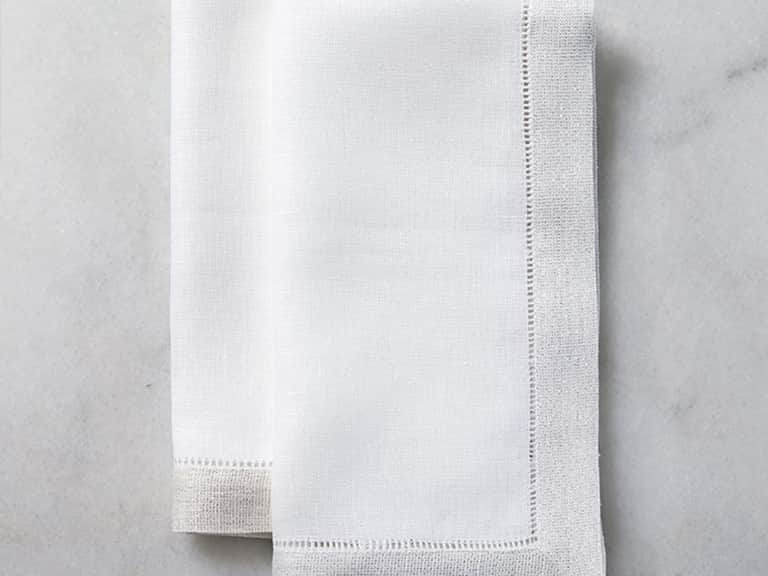
Classico Napkins
Experience heirloom elegance with 100% linen napkins, hand-drawn hemstitching, and durable mitered corners that feel refined at every meal and age beautifully with your table.
Napkins serve as essential tabletop textiles that combine practicality with aesthetics. In this category, napkins are examined for material composition, weave density, and finish, which collectively influence absorbency, softness, and durability. Understanding these factors helps in selecting napkins that align with dining occasions, care routines, and long-term use in households and hospitality settings. Keywords such as bedding, sheets, bath towels, and pillows may be considered for broader textile context.
Classico Napkins exemplify understated elegance and reliable performance. They typically feature a balanced weave that delivers both a refined texture and commendable absorbency, making them suitable for everyday meals or special occasions. The fabric finish and hem construction contribute to longevity, while maintaining a clean, timeless appearance in table settings.
Filetto Napkins are distinguished by a delicate, open-knit or filet-like pattern that adds visual interest without compromising durability. Their lighter weight can enhance a refined dining presentation, while advanced finishing resists fraying and pilling. These napkins often pair well with high-thread-count sheets and complementary linens to maintain cohesive room aesthetics.
Functionally, napkins are designed to manage moisture and protect clothing during meals, reducing the need for frequent wardrobe changes. They also play a role in ease of care, with fabric types and weave choices affecting washing frequency and resistance to wrinkles. Selecting napkins with the appropriate fiber content supports consistent performance over time.
In summary, napkins combine form and function by balancing texture, absorbency, and durability. Considering fiber type, weave, and finish provides insight into everyday usability as well as exceptional occasions. The examination of Classico and Filetto Napkins highlights how design choices impact practicality, presentation, and long-term value in linen care and dining environments.
Table
 Table
Table